
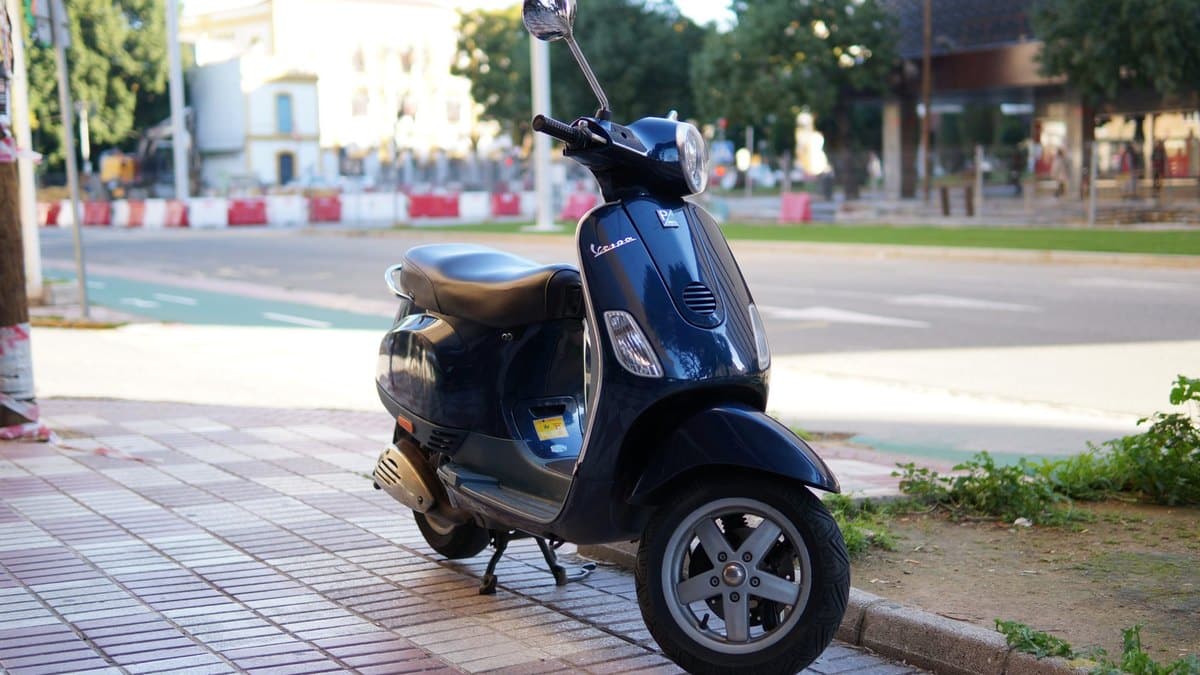
Why this check is the one that cannot wait
Most things you can get wrong buying a used motorcycle cost you money. This one costs you the money and the motorcycle.
If a bike turns out to be stolen, it goes back to its owner or their insurer. You do not get to keep it because you paid for it in good faith, and your recourse is against a seller who has, in the nature of things, usually stopped answering the phone. There is no version of this where the buyer comes out level.
Which is why it goes first, before the negotiation and before you arrange to see the bike a second time.
Theft is a separate record from everything else
This is the thing to get straight, because the search results for anything VIN-related are dominated by companies selling history reports, and people assume one product covers everything.
Three different records, three different sources:
| What you want to know | Where it lives | In the VIN itself? |
|---|---|---|
| What the bike is — make, model, year, engine | Manufacturer filings, public via NHTSA | Yes, that is what a VIN is |
| Whether it is reported stolen | Law enforcement records, plus an insurance-industry lookup | No |
| Salvage, write-offs, outstanding finance, mileage | Title records and history reports | No |
Nothing in the seventeen characters changes when a motorcycle is stolen. A stolen bike has a perfectly valid VIN with a perfectly valid check digit, which is exactly why decoding it proves nothing about its status. The VIN decoder is the right first step and the wrong last one.
The free check, and what it is
The National Insurance Crime Bureau — the not-for-profit body funded by the US insurance industry to work on vehicle crime — runs a free public VIN lookup called VINCheck. It appears in the search results for motorcycle VIN checks alongside the paid services, and it does not cost anything to use.
It is built on what participating insurers report, which is the important qualifier: it reflects the records that have been filed with it. Read the terms and coverage notes on their own site before relying on a clean result — services like this normally limit how many searches you can run and are explicit about what their data does and does not include, and those details are theirs to state rather than ours to summarise second-hand.
Two things follow, and they matter more than the mechanics:
- A clean result is not a guarantee. It means the bike does not appear in the records that lookup covers. A theft reported an hour ago, or never reported at all, will not be there.
- A hit is decisive. If a lookup flags the VIN, you are done. Do not negotiate, do not arrange a second viewing, do not tell the seller what you found while standing in their driveway.
The checks that cost nothing and catch more
Databases are the easy part. In practice most stolen bikes are caught by the seller and the paperwork, not by a lookup.
Make the title do the work. The seller’s name on the title must match their photo ID. Not a relative’s name, not a business they say they own, not “my mate is selling it for me”. A seller who cannot produce a title in their own name is the single strongest signal in this whole article, and it is free to check.
Match the frame to the paper, character by character. The VIN stamped on the frame has to equal the VIN on the title. Read it off the metal yourself rather than off the listing — where the VIN is on a motorcycle covers where to look and what a tampered stamping looks like.
Look at the ignition and the locks. A damaged ignition barrel, a replaced lock set, a bike that starts with a key that looks nothing like a factory key, or no key for the steering lock and none for the seat. Bikes get stolen by defeating those parts, and replacing them convincingly costs more than most thieves spend.
Count the keys. Two keys and a fob is normal for a bike sold with its history. One worn key and a shrug is not conclusive but it is a question worth asking out loud.
Ask for the service history and the previous registration. Someone selling their own motorcycle usually has receipts, an owner’s manual, and a stack of MOT-equivalent or inspection paperwork. Someone selling someone else’s usually has the bike and nothing else.
Watch the price. A machine priced well under what the market is paying is not a bargain that nobody else noticed. Check what it should cost with what a motorcycle is worth before you go, so you know whether the number in the ad is unusual.
Meet at their home, in daylight. A seller who will only meet in a car park, wants to bring the bike to you, or will not let you see where it lives is removing the easiest cross-check there is: whether the address on the title is the address they are standing at.
If you think it is stolen
Do not confront the seller. You gain nothing and the situation can turn.
- Leave. Say the bike is not what you were after and go.
- Write down what you have — the VIN, the plate, the address, the listing URL, screenshots of the advert and any messages. Photograph the bike if you already have pictures; do not go back for more.
- Report it to the police, with the VIN. That is the record that actually matters, and it is the only route by which a stolen machine gets matched back to its owner.
- Report the listing to the platform. Marketplaces act on this and it stops the next buyer.
And if you have already bought one
Go to the police yourself, immediately and voluntarily, with every document and message you have. Being the person who reported it is a materially different position from being the person found with it.
Then talk to your insurer. Cover for buying a stolen vehicle in good faith is not standard, but some policies and some payment methods offer protection, and paying by a traceable method rather than cash is what makes any of that possible. Which is the argument for never handing over cash for a bike you have not checked: the payment trail is the only part of this you control.
Where this sits in the rest of the purchase
The theft check is one of four, and skipping any of them leaves a different hole:
- Decode the VIN to confirm the bike is what the seller says — the motorcycle VIN decoder.
- Check the history for salvage titles, write-offs and outstanding finance, which is a different record again and the one worth paying for — motorcycle history reports.
- Get the paperwork right, because a bill of sale is what proves the transaction happened — motorcycle bill of sale.
- Transfer the title, which is the step that makes you the owner rather than the person holding the bike — motorcycle title transfer.
If the bike passes all four, the remaining questions are mechanical and financial: what counts as a lot of miles, how long motorcycles last, and what one costs to own.
Frequently asked questions
How do I check if a motorcycle is stolen by VIN?
Use the free VINCheck lookup run by the National Insurance Crime Bureau, and read their own coverage notes on what it includes. Then do the checks a database cannot do: confirm the seller’s name on the title matches their photo ID, and confirm the VIN stamped on the frame matches the VIN on the title exactly.
Does decoding a VIN tell you if a motorcycle is stolen?
No. Nothing in the seventeen characters changes when a bike is stolen, so a stolen motorcycle has a perfectly valid VIN with a valid check digit. Theft is a separate record held by law enforcement and reported to insurance-industry databases.
Is a free stolen motorcycle check reliable?
A hit is decisive; a clean result is not a guarantee. A free lookup can only report what has been filed with it, so a very recent theft, or one that was never reported, will not appear. Treat a clean result as one check passed rather than as proof.
What happens if I buy a stolen motorcycle?
The motorcycle goes back to its rightful owner or their insurer, and you lose both the bike and the money. Paying in good faith does not give you ownership. Your only recourse is against the seller, which is why the payment trail and the checks beforehand matter so much.
What is the biggest warning sign a motorcycle is stolen?
A seller who cannot produce a title in their own name matching their photo ID. It costs nothing to check, it is the hardest thing for a thief to fake, and it catches more than any database lookup does.